In new commercial construction, roofing decisions establish capital and performance assumptions that ownership may manage for decades. System selection, drainage design, anticipated rooftop use, warranty structure, and installation quality all influence how the roof performs after the building transitions from construction to operations.
For commercial property owners, developers, and asset managers, the roofing system should be evaluated as a long-term building asset rather than a final construction line item. Decisions made during design and installation affect maintenance requirements, remaining asset life, energy performance, tenant risk, and future capital deployment.
The objective is not simply to deliver a roof that performs at occupancy. It is to establish a roofing asset that supports long-term financial and operational objectives.
New Construction Establishes the Roofing Lifecycle
A new roof begins its lifecycle with a significant capital advantage. Ownership has the opportunity to align system design, installation, maintenance expectations, and long-term planning before deterioration or deferred maintenance complicate the decision.
That opportunity should not be treated as temporary.
Early decisions establish the baseline for future roof performance. System selection influences maintenance requirements. Drainage design affects how efficiently water leaves the roof. Rooftop equipment placement affects access and traffic patterns. Warranty requirements establish ongoing inspection and documentation obligations.
When these variables are considered together during construction, ownership begins the asset lifecycle with greater visibility and control.
When they are evaluated independently, capital risk can be embedded into the building before operations begin.

Roof System Selection Should Reflect Asset Strategy
Commercial roofing systems should not be selected solely on initial project cost.
Single-ply systems such as TPO, PVC, and EPDM, built-up roofing, modified bitumen, and other commercial roofing assemblies each present different lifecycle characteristics. The appropriate system depends on building use, environmental exposure, expected rooftop activity, maintenance requirements, ownership horizon, and long-term capital objectives.
For a long-term hold asset, ownership may place greater value on extended asset life, maintainability, warranty protection, and future restoration potential. For an asset with a different investment horizon, capital priorities may shift.
The system should support the asset strategy rather than become disconnected from it.
A lower initial expenditure may create higher lifecycle costs if maintenance requirements, premature deterioration, or limited restoration options accelerate future capital deployment.
Drainage Decisions Affect Long-Term Performance
Drainage is one of the most important design considerations in commercial roofing.
Water that does not move efficiently from the roof can increase membrane stress, contribute to ponding conditions, and accelerate deterioration around drains, transitions, and low areas. These conditions may not become apparent during initial occupancy but can materially influence performance over time.
In new construction, drainage design should account for the completed building rather than the roof in isolation.
Future equipment, curbs, solar installations, walkways, and other rooftop components can alter how water moves across the system. Decisions that restrict drainage or create difficult-to-access areas may increase maintenance requirements throughout the asset lifecycle.
Correcting drainage after construction is typically more disruptive and capital intensive than addressing it during design.
Rooftop Use Should Be Planned Before Installation
Commercial rooftops increasingly support more than the roofing system itself.
HVAC equipment, solar arrays, electrical infrastructure, communications systems, and other building components may all require rooftop space and ongoing service access.
These uses should be incorporated into roofing decisions during new construction.
Equipment placement influences membrane access, inspection routes, penetrations, traffic patterns, and future restoration or replacement work. If rooftop use is not coordinated early, ownership may inherit a roof that becomes increasingly difficult to maintain as additional systems are installed.
Service traffic also creates long-term exposure. Technicians from multiple trades may access the roof throughout the year, increasing the potential for membrane damage and undocumented modifications.
Planning equipment locations, access paths, and protection requirements during construction reduces future operating risk.
Energy Performance Is Part of the Asset Economics
Commercial roofing can influence energy performance through membrane reflectivity, insulation, heat absorption, and overall system design.
For Southern California assets, prolonged sun exposure and cooling demand make these considerations particularly relevant.
Energy-efficient roofing decisions should be evaluated within the broader financial model of the building. Initial capital cost is only one variable. Ownership should also consider operating expenses, tenant comfort, asset life, maintenance requirements, and long-term performance.
A roofing system that supports lower operating costs while maintaining lifecycle durability may provide greater value than one evaluated solely on construction budget.
Energy performance should support the capital strategy, not exist as a separate design objective.
Warranty Structure Should Be Established Early
Manufacturer warranties provide an important layer of financial protection, but their value depends on how the roof is installed, maintained, and documented throughout its lifecycle.
Warranty requirements should be understood before the system is selected and installed.
Ownership should have visibility into inspection requirements, approved repair procedures, maintenance obligations, and documentation expectations from the beginning. If those requirements are not transferred clearly from construction to building operations, warranty protection can be compromised long before a claim occurs.
The construction team delivers the roof. Ownership inherits the obligations associated with it.
A disciplined handoff protects both the roofing asset and the contractual protections attached to the original investment.
Construction Handoff Influences Future Data Quality
Lifecycle planning depends on historical information, and the quality of that information begins at project completion.
Ownership should receive a clear record of the installed roofing system, warranty documentation, approved details, inspection records, and relevant maintenance requirements.
This information establishes the baseline for future condition assessments.
Without complete documentation, future contractors and asset managers may be forced to reconstruct the history of a relatively new roof. That reduces data quality and can make it more difficult to distinguish installation conditions, later modifications, and recurring deficiencies.
Strong lifecycle data begins on day one.

Early Maintenance Protects the Original Capital Investment
New construction does not eliminate the need for roof maintenance.
Environmental exposure, rooftop traffic, equipment servicing, debris accumulation, and drainage conditions begin affecting performance immediately after occupancy. Waiting several years to establish regular inspections allows minor conditions to develop without documentation or corrective action.
Early maintenance creates continuity.
Routine assessments establish performance trends, maintain warranty compliance, and identify deficiencies before they affect asset life. They also provide the data needed to refine future capital assumptions as actual roof performance becomes measurable.
From a capital perspective, maintaining a new roof is not about correcting age-related deterioration. It is about protecting the assumptions that justified the original investment.
New Construction Should Preserve Future Optionality
One of the most valuable outcomes of disciplined roofing design is future optionality.
A well-designed, properly maintained roofing system may provide multiple capital paths later in its lifecycle. Maintenance can preserve performance. Restoration may extend asset life. Replacement can be scheduled according to broader ownership objectives.
Poor early decisions can reduce those options.
Inadequate drainage, incompatible rooftop modifications, inconsistent documentation, or premature deterioration may eliminate restoration opportunities and accelerate replacement timing.
Optionality is easier to preserve during construction than to recreate later.
Southern California Development Requires Long-Term Perspective
For commercial and industrial properties across Los Angeles, San Diego, Ventura County, Riverside, and surrounding Southern California markets, roof systems operate under sustained UV exposure, rooftop heat, seasonal rainfall, and increasingly complex rooftop use.
New construction provides an opportunity to address those conditions before they become operating constraints.
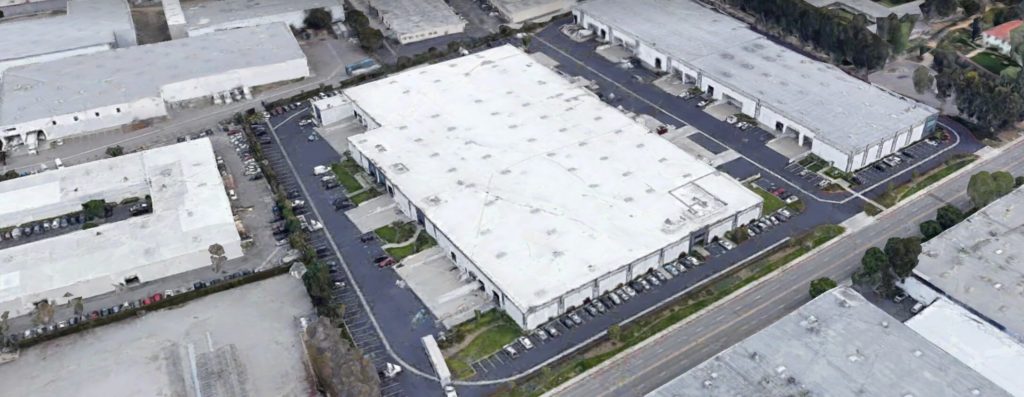
This is particularly relevant for industrial and tilt-up construction, where large roof areas, mechanical systems, solar infrastructure, and long ownership periods can magnify the financial consequences of early roofing decisions.
The larger the roofing asset, the more important disciplined lifecycle planning becomes.

A Structured Approach to Roofing in New Construction
At West Coast Roofing, new construction roofing decisions are evaluated within the broader context of building use, asset life, and long-term capital performance. Our team works with commercial property owners, developers, and asset managers to identify roofing strategies that support operational requirements while preserving future capital flexibility.
System selection, rooftop use, warranty requirements, maintainability, and lifecycle expectations should be evaluated as part of one coordinated strategy.
The objective is not simply to complete the roofing scope. It is to establish a roofing asset that can be managed predictably throughout its lifecycle.
Long-Term Asset Performance Begins During Construction
The financial performance of a commercial roof is influenced long before the first maintenance cycle or capital forecast is created.
System selection, drainage, rooftop coordination, warranty structure, documentation, and early maintenance establish the conditions ownership will manage for the remainder of the roof’s asset life.
When those decisions are made within the context of long-term asset strategy, ownership gains greater control over operating costs, capital timing, and future roofing options.
For commercial property owners and asset managers, new construction is the earliest opportunity to establish roofing capital discipline. Decisions made at that stage influence asset performance long after construction is complete.